



Open Hours
Monday-Friday 8AM - 5PM
Get A Quote

Singapore heat? Book your aircon servicing with confidence.
 What Exactly Is “Aircon Gas”?
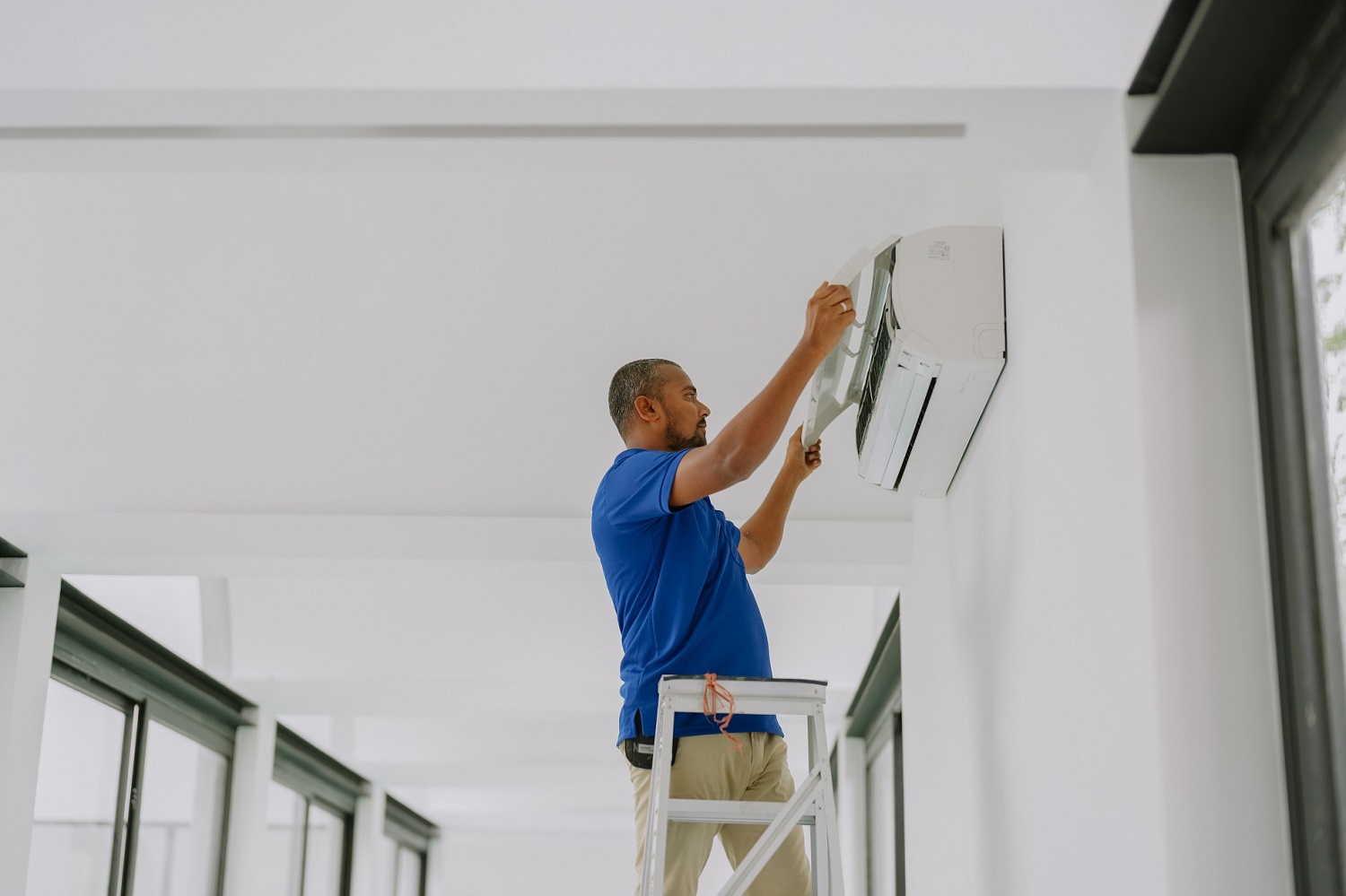
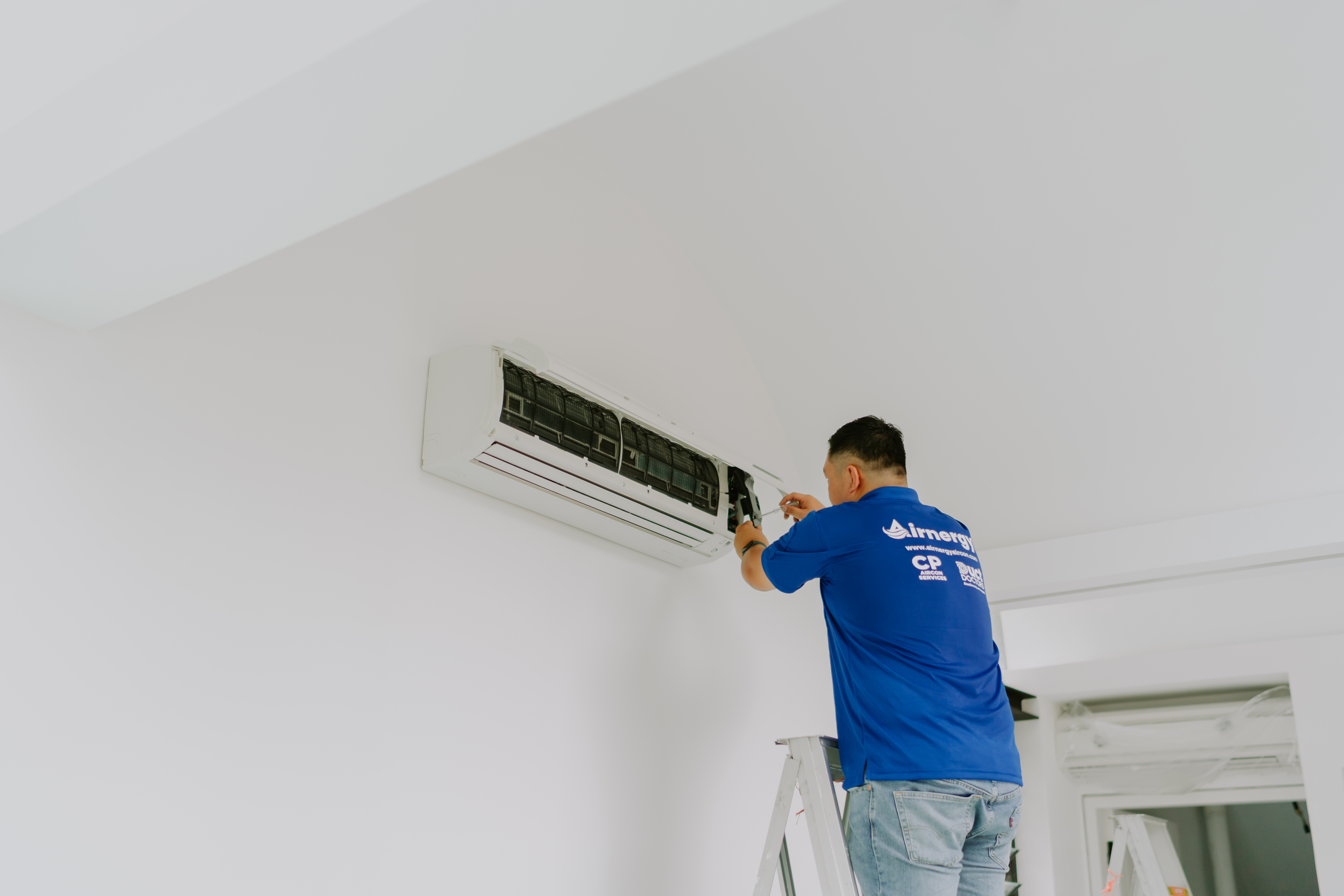 First things first: the “gas” in your aircon isn’t fuel. It’s a refrigerant, a special fluid that circulates in sealed copper coils. Its job is to absorb heat from your room and dump it outside. Think of it as the blood of your aircon system. If there’s a leak, the system weakens.
When gas leaks out, you’ll notice:
Many folks’ first reaction is to request an aircon gas top up. Sure, that brings back the cold air… for a while. But if the leak isn’t found and sealed, the gas will just escape again. You’ll be stuck in a costly cycle of repeat top-ups, each one masking the real issue. Let’s look at what’s usually causing the leak in the first place.
The Top Reasons Your Aircon Is Losing Gas
In Singapore’s climate used daily, battling humidity and salty air—our aircons face unique challenges. Here are the most likely culprits behind a leak.
1. It’s Just Old (Wear and Tear)
Nothing lasts forever. After years of loyal service, parts of your aircon get tired.
2. Corrosion – The Sneaky Killer
This is a huge issue here. Our famous humidity is a friend to mould and a foe to metal.
3. Bad Installation – A Problem from Day One
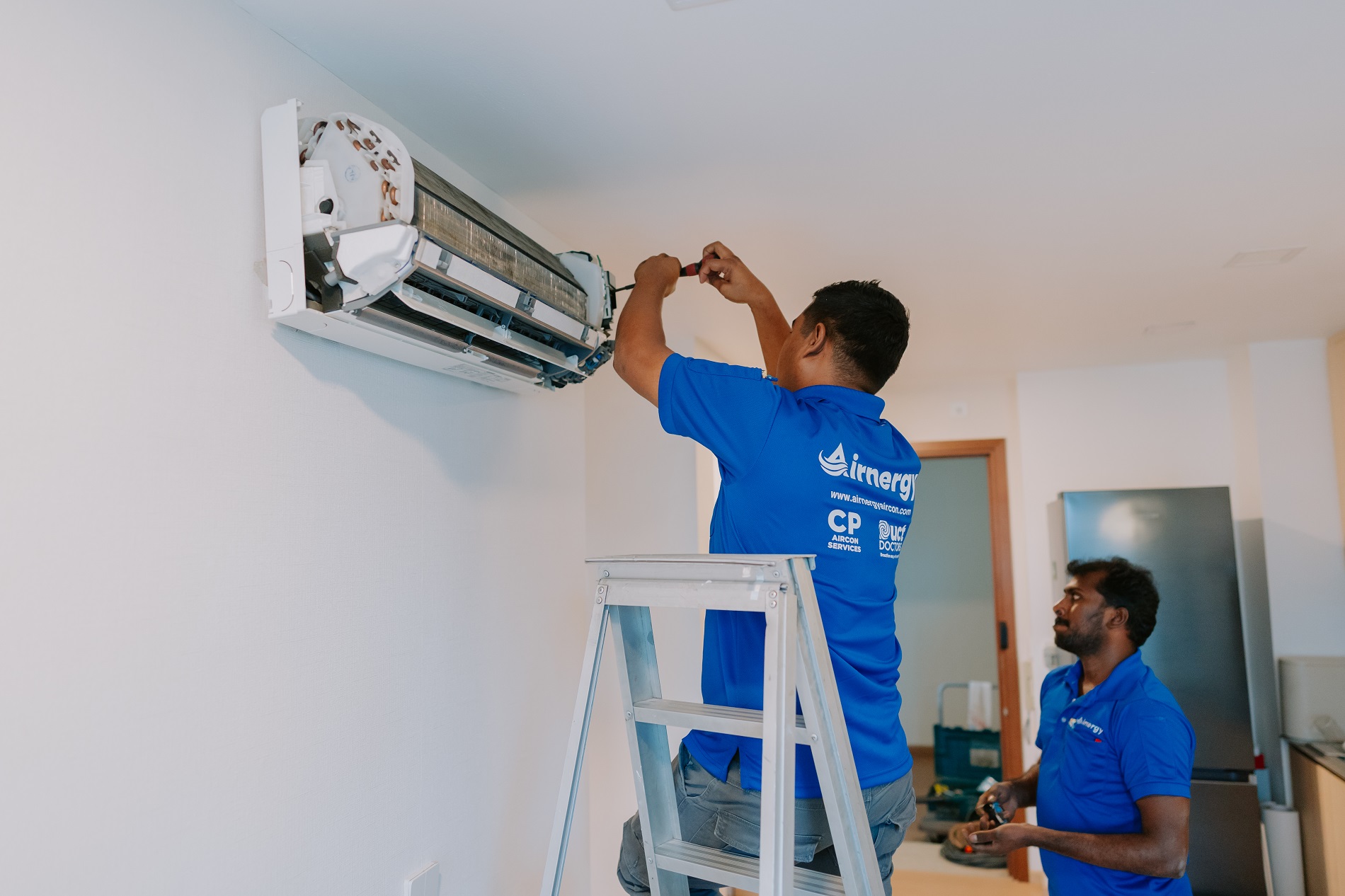
This one hurts because it’s so preventable. A rushed or sloppy installation sets the stage for early leaks.
4. Accidental Damage
Sometimes, the cause is simple physical harm.
5. Faulty Valves and Parts
Not every leak is from a pipe. Small parts can fail.
Stop the Cycle: Why “Topping Up” Isn’t the Answer
I get it. When you’re sweating at home, you just want the cold air back fast. The offer of a quick and cheap aircon gas top up is tempting. But please, resist the urge. Here’s why:
A trustworthy technician will explain this to you. They should insist on a leak check first. Their job isn’t to sell you the most frequent aircon gas top up; it’s to fix your aircon for good.
What Should You Actually Do?
Once the leak is properly sealed, then a correct aircon gas top up is the final step to get your cool air back. This is the only time a top-up makes sense.
Final Thoughts: Be a Smart Aircon Owner
Dealing with a gas leak is frustrating, but understanding it takes away the stress. The goal isn’t to find the cheapest top-up service; the goal is to fix the problem.
Your best defence is simple:
Remember, in Singapore, your aircon is your best friend. Take care of it properly, and it will take care of you. Don’t just settle for another quick aircon gas top up—get to the root of the issue and enjoy peace of mind, and cool air, all year round.
 Getting Ready for Ramadan: Why Early Aircon Servicing Matters
When Do You Need a Chemical Overhaul for Industrial Systems in Singapore?
Common Causes of Aircon Gas Leaks in Singapore Homes
Common Problems Solved by ProfessionalAircon Chemical Overhaul Service in Singapore
10 Signs Your Aircon Needs Maintenance Before It Breaks Down
Getting Ready for Ramadan: Why Early Aircon Servicing Matters
When Do You Need a Chemical Overhaul for Industrial Systems in Singapore?
Common Causes of Aircon Gas Leaks in Singapore Homes
Common Problems Solved by ProfessionalAircon Chemical Overhaul Service in Singapore
10 Signs Your Aircon Needs Maintenance Before It Breaks Down
