



Open Hours
Monday-Friday 8AM - 5PM
Get A Quote

Singapore heat? Book your aircon servicing with confidence.
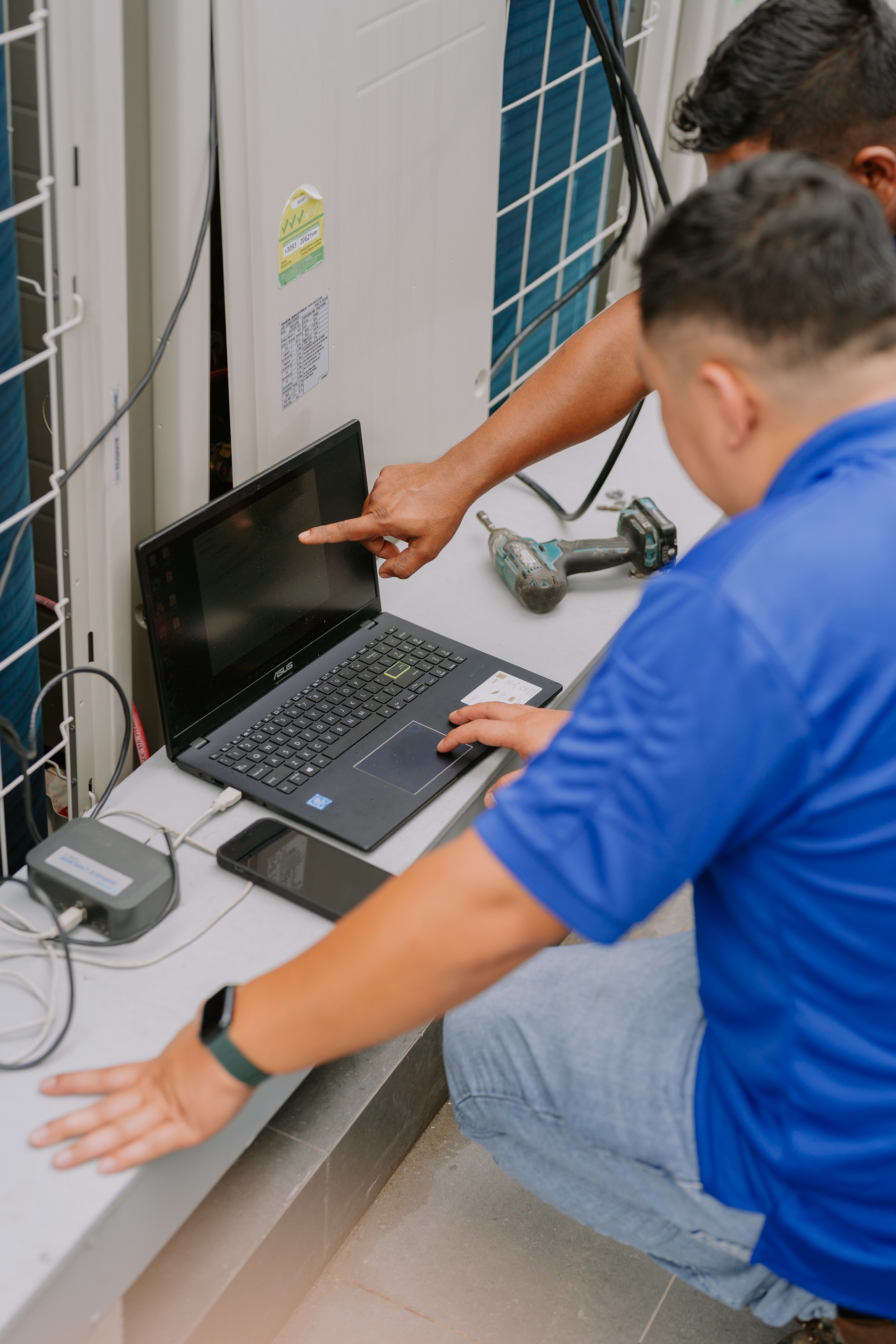
 Why Our Island is a Brutal Bootcamp for AC Units
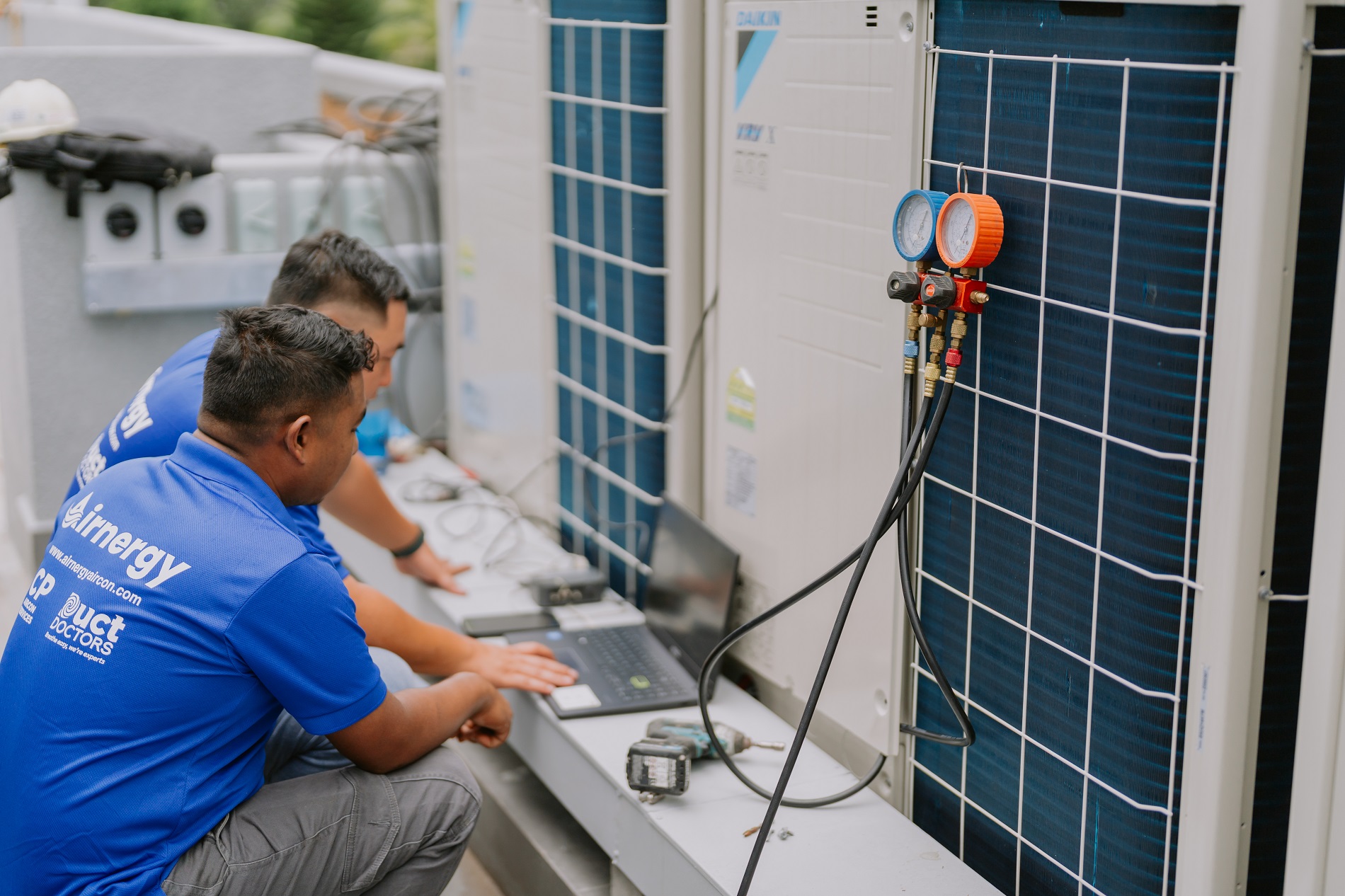
Let us express the truth without using euphemistic language. The food scene in Singapore creates a dining paradise, but the city presents extreme challenges for industrial equipment. The air itself is working against you. The weather conditions create a hot environment which behaves like a heavy fog that restricts all movement. For your AC, this means:
The air it breathes is wet. The constant humidity in the environment provides an unlimited food source which allows mold, slime, and bacteria to grow inside the cold dark coils.
The air it breathes is dirty. The system continuously consumes pollutants which include urban waste and construction dust and the specific greasy particles from your own factory processes. This material does not remain as dust on a shelf because it forms a sticky insulating paste which covers the equipment’s essential components.
It never, ever gets a rest. Industrial systems are the marathon runners who aren’t allowed to drink water or stop. The constant strain without proper deep recovery leads to a predictable collapse.
This is the perfect storm that leads to the breakdowns we see every day. And it’s exactly the deep seated mess a proper aircon chemical overhaul is designed to fix.
So, How Do You Know You Need One? (The Clear Signs)
You don’t need to be an engineer to spot these red flags. Here’s what to watch for:
This is the biggest sign. Your system is running full blast, but the air coming out is weak and not very cold. The rooms won’t hit the set temperature. Why? Because the filth on the internal coils is acting like a sweater, trapping heat. The compressor has to work overtime, guzzling electricity. If your operations team is complaining about the heat while your finance team is complaining about the power bill, you’ve got a deep seated problem.
The AC system of Singapore buildings experiences continuous problems because of persistent water leaks. The drain pipe gets clogged with a sludge of algae and mold. The drain can be unclogged but the drain pan and coil growth require removal because it will return after three weeks. A chemical overhaul flushes and sanitizes the entire drainage pathway properly.
The damp odor from your vents serves as an obvious indicator of building problems. The situation creates more than just annoyance for people. The evaporator coil contains mold and bacteria which lead to its current condition. This situation presents a complete restriction for food packing and electronics and air quality dependent industries. The location requires disinfecting because basic cleaning fails to eliminate the problem.
The maintenance staff must stop using standard cleaning procedures after discovering that ice has formed on the coils because of black or green gunk covering their surface. The process requires complete system replacement.
What Actually Happens During an Aircon Chemical Overhaul?
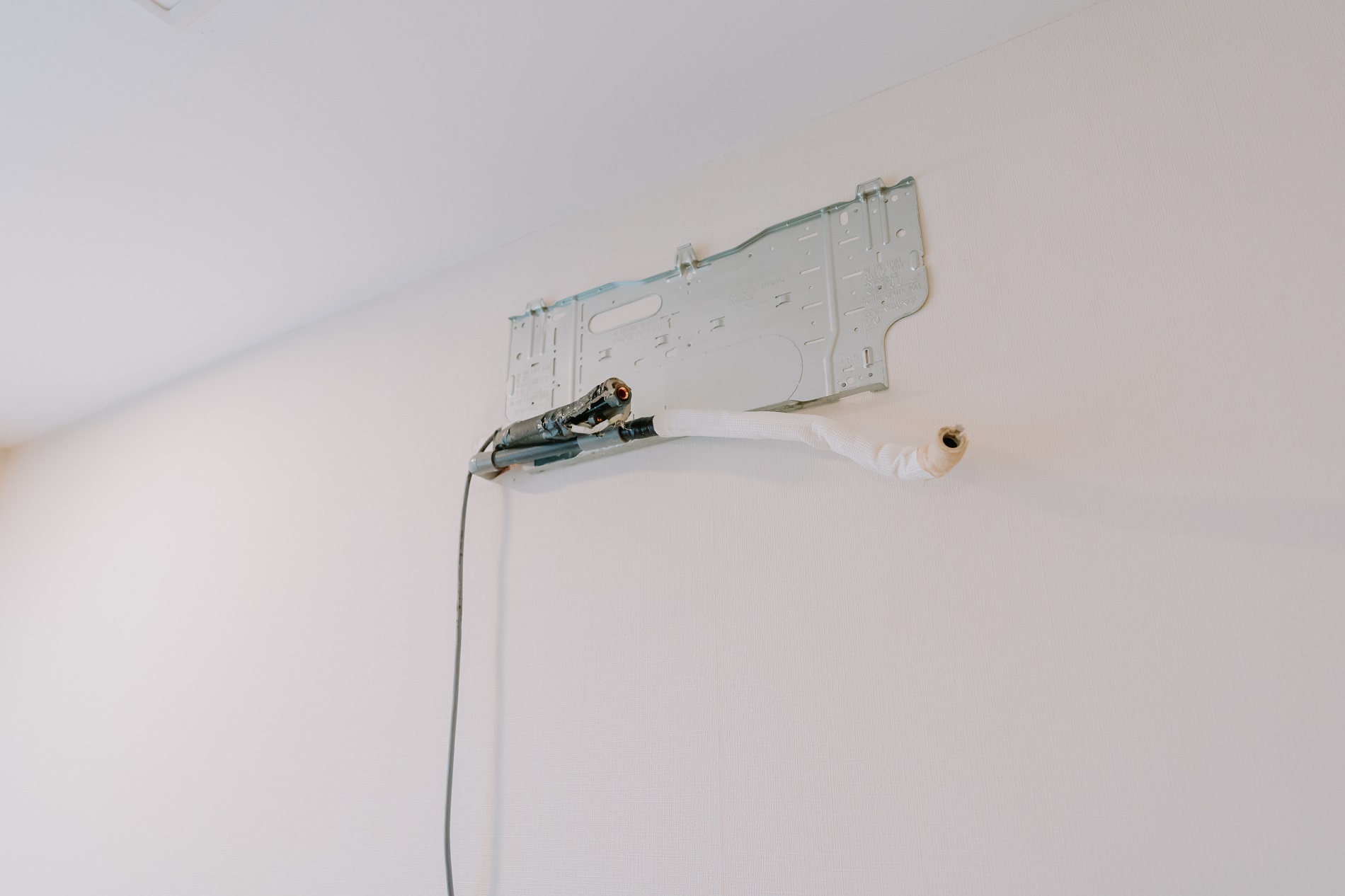
Here’s a breakdown, so you know what you are paying for:
Key Points to Remember (The Takeaway)
FAQs – Real Questions from Facility Managers
It is an investment. But it’s cheaper than replacing a destroyed compressor or a production halt from overheating. For a standard factory running 12 hours/day, every 2 years is a good rule of thumb. For critical environments (data centres, labs), annually might be needed. Inspect yearly and decide.
Yes, but only temporarily. The system has to be powered off completely to do the work safely. The good news is, you control when. Plan it for a weekend, a public holiday, or during a scheduled maintenance shutdown. A little planning upfront avoids a lot of headache later.
I wouldn’t recommend it. Those coil fins are delicate. Too much pressure bends them, which actually makes airflow worse. The real issue is the sticky grease and slime, water just slides right off. The special chemicals melt that gunk away so it can be rinsed off safely. This is one for the pros with the right gear.
Filters are important, but they are just the first line of defense. They catch some dust, but a lot slips through. The real problem, the mold and sludge, grows inside the unit, where the air is cold and wet. Cleaning filters is like brushing your teeth; a chemical overhaul is like a deep cleaning at the dentist. Both matter, but they do different jobs.
Absolutely. Think of it like this: you’ll feel the air get colder, faster. That damp, musty smell will be gone. You should see your next energy bill come down because the system isn’t struggling anymore. Most of all, you get peace of mind knowing the system is truly clean inside and not about to break down on a hot afternoon.
The Bottom Line
At the end of the day, a chemical overhaul isn’t an extra expense, it’s smart maintenance. It’s the cost of avoiding a real crisis: a total breakdown in the middle of a production run. It keeps your temperatures stable for your gear and your people. It’s a way of respecting a piece of equipment that works non stop in one of the most punishing climates for machinery.
Pay attention to the signs, plan ahead, and partner with aAirnergy Aircon Contractors. Your AC system works hard for you in one of the toughest climates on earth. Giving it this level of care is just good business.
 Getting Ready for Ramadan: Why Early Aircon Servicing Matters
When Do You Need a Chemical Overhaul for Industrial Systems in Singapore?
Common Causes of Aircon Gas Leaks in Singapore Homes
Common Problems Solved by ProfessionalAircon Chemical Overhaul Service in Singapore
10 Signs Your Aircon Needs Maintenance Before It Breaks Down
Getting Ready for Ramadan: Why Early Aircon Servicing Matters
When Do You Need a Chemical Overhaul for Industrial Systems in Singapore?
Common Causes of Aircon Gas Leaks in Singapore Homes
Common Problems Solved by ProfessionalAircon Chemical Overhaul Service in Singapore
10 Signs Your Aircon Needs Maintenance Before It Breaks Down
