



Open Hours
Monday-Friday 8AM - 5PM
Get A Quote

Singapore heat? Book your aircon servicing with confidence.
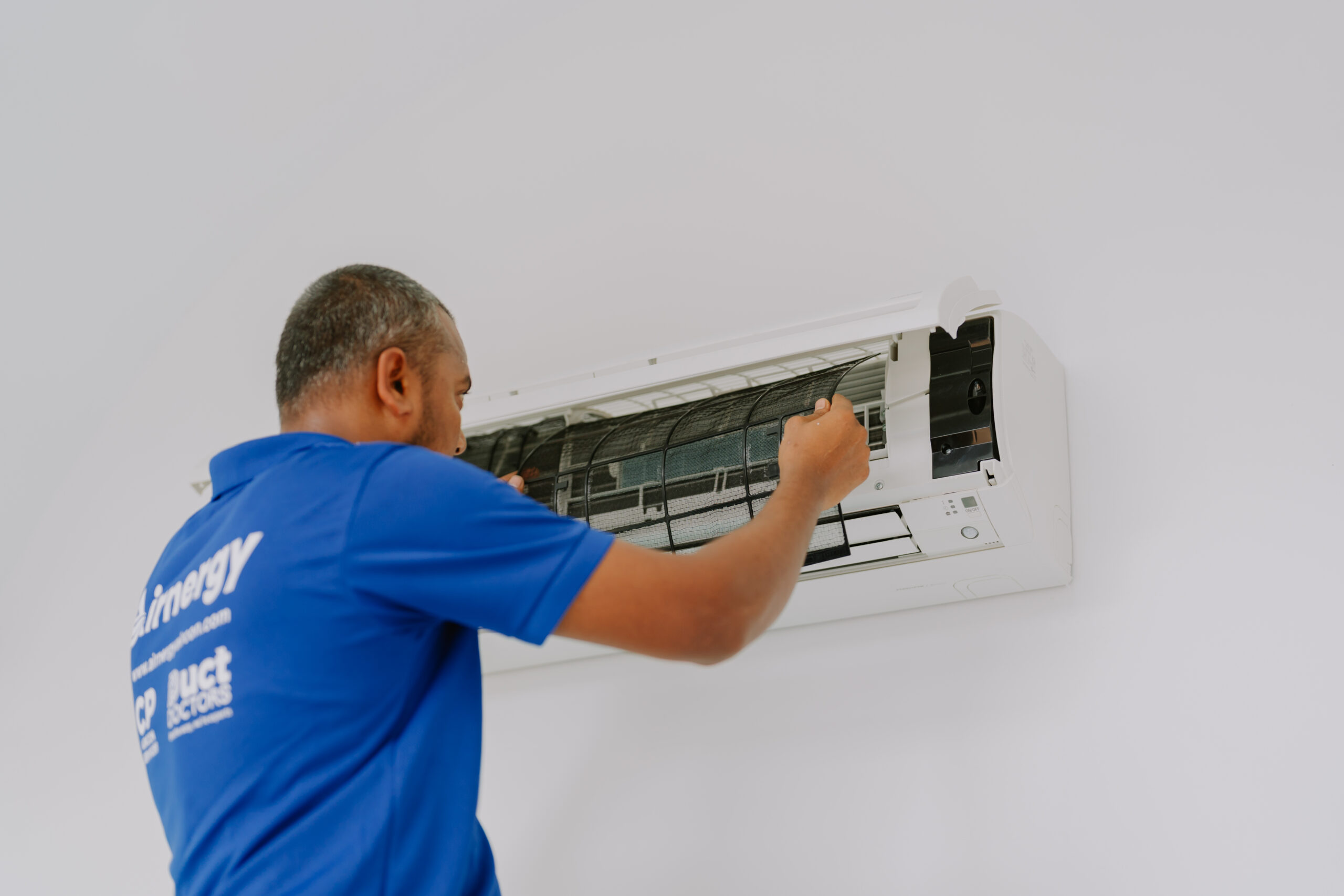
 1. The Silent Money Drain: Your Dirty AC is Inflating Your Electricity Bill
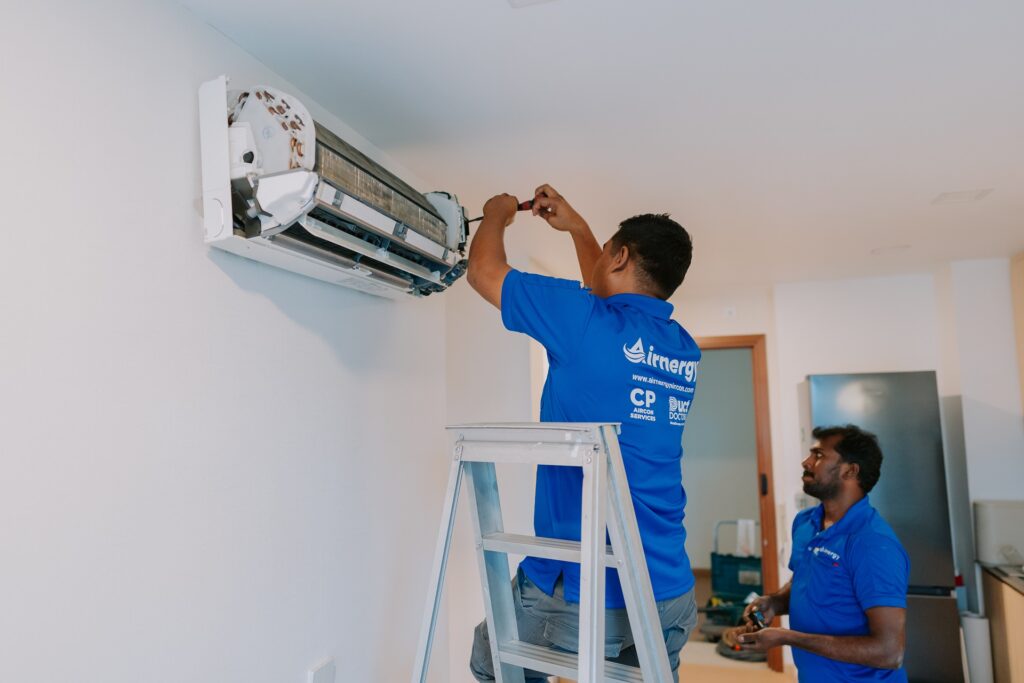
This is the very first and foremost impact that will be reflected in your wallet. In order to grasp the reason behind it, you have no other choice but to visualize the processes that are going on inside your AC unit.
The air conditioning system does not produce cold air. Its operation consists of taking away the heat and humidity from the room, and pushing them outside. This is achieved through a pair of coils—the evaporator coil, which is the one located inside your unit, and the condenser coil outside. The fan moves your room air over the cold evaporator coil and that is how cool air reaches your room.
However, what happens now, since the cold evaporator coil was attacked by a thick layer of dust, which is rather close to the mechanism of vacuum cleaner filter clogging. To enable the air conditioner to execute its role of cooling the room, the fan has to work even harder to push the air in that dirt and dust. The entire mechanism, the compressor, the fan motor, all this, must strain hard and run longer to achieve the temperature that you have programmed through your remote control.
This hardship causes the electricity consumption to shoot up tremendously. According to specialists’ estimates, a dirty AC can consume 15% to 30% more power. In a scenario like Singapore, where most households depend on AC for 8+hours daily, this inefficiency translates your monthly SP Group bill to an unbelievably huge amount.
Put it this way: you might be paying for $150 worth of electricity, but only $100 worth of cooling is delivered. The rest is wasted on overcoming the dirt inside your unit. A thorough AC cleaning in Singapore service scrubs those coils clean, restoring that efficiency and watching your energy bills drop back down to where they should be.
2. Avoiding the Heart Attack Repair Bill: The Compressor
If the energy bill is a slow leak, a broken compressor is a financial explosion. The compressor is the heart of your air conditioner. It’s the most critical and expensive component, and it’s located in the outdoor unit.
A dirty indoor unit doesn’t just affect itself; it directly attacks the compressor. Here’s how:
Poor Heat Transfer: When the evaporator coil in the house is dirty, it is unable to absorb the heat. This may make the refrigerant (gas that cools air) fail to evaporate fully and come back to the compressor as it is supposed to.
Liquid Slugging: This is a technical expression to a very bad thing. It implies that a liquid rather than a gas refrigerant is recirculating into the compressor. Compressors are not made to pump liquid. This may result in internal breakage such as bent valves or connecting rods.
Overheating: An unclean system causes the compressor to strain and this results in excessive heat which destroys its internal insulation and oil.
Replacing a compressor is a major job. The part alone can cost anywhere from $500 to over $1,500, and that’s before the labour cost. Often, if the compressor fails, especially in an older unit, it’s more economical to replace the entire air conditioner—a cost of thousands of dollars.
Regular AC cleaning in Singapore is the ultimate preventive medicine. By ensuring the entire system is clean and the refrigerant is flowing correctly, you protect that expensive heart from a premature failure.
3. Extending the Lifespan of a Major Investment
An air conditioner is a significant purchase. You probably spent a few thousand dollars on it, and you’d like it to last as long as possible. In Singapore’s punishing climate, a typical AC unit might last 7-10 years.
However, that lifespan can be dramatically shortened by neglect. A unit that is constantly straining against dirt and grime is like an athlete who is always running a marathon without rest. The wear and tear is accelerated. Components wear out faster, from fan motors to electronic boards.
A clean unit, on the other hand, runs smoothly. It doesn’t have to fight itself to do its job. This gentle operation can easily extend the life of your AC by 3, 4, or even 5 years. Delaying a $3,000 replacement for five years by spending a few hundred on cleaning over that period is an incredible return on investment.
4. The Health Cost You Might Not See Coming
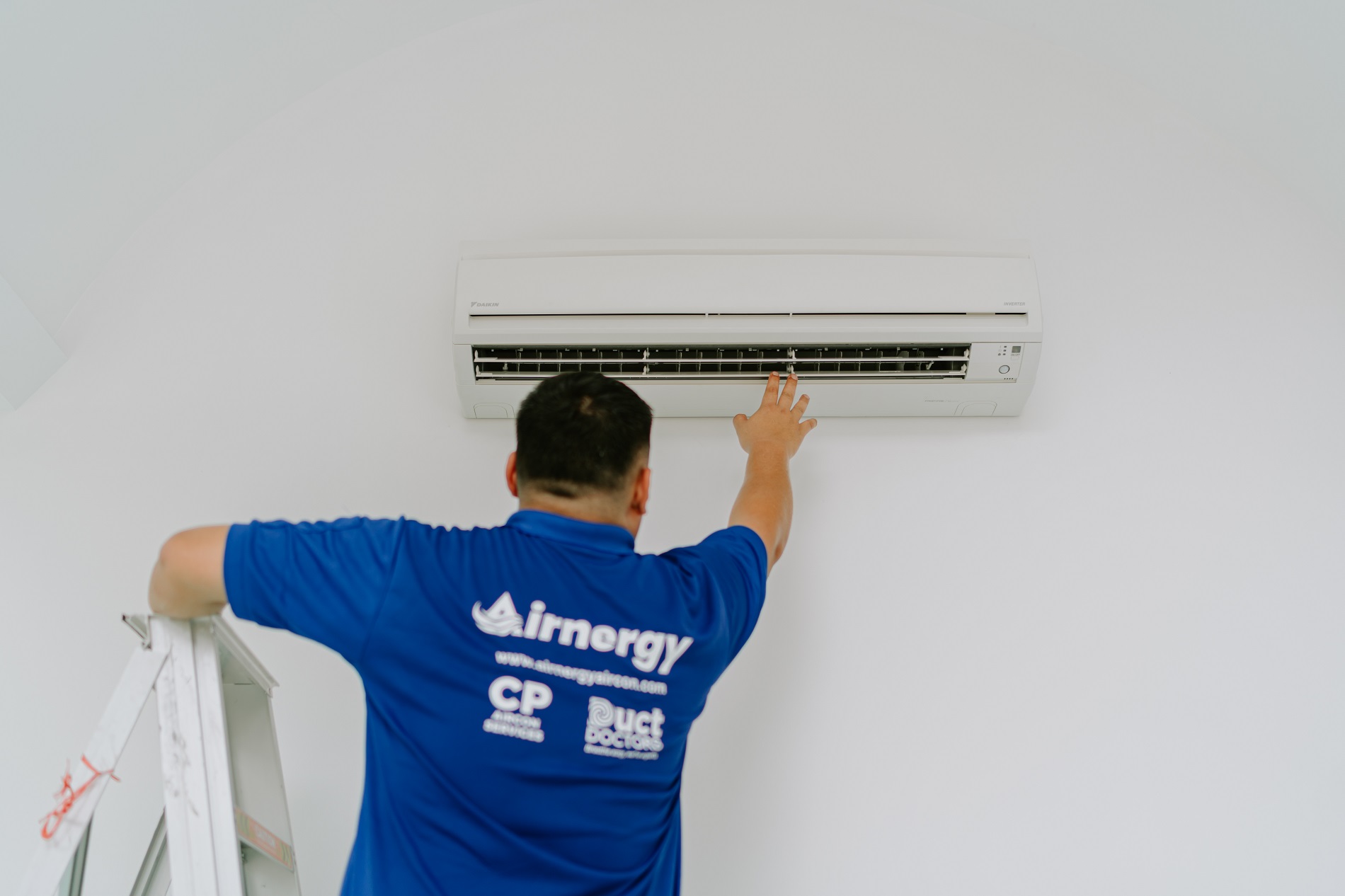
This might be the most important reason of all, and it’s one you don’t see on a receipt. Filthy air conditioning unit is not only a money-eater but also a noiseless health-strainer.
Just think of the air conditioning unit; it is dark and damp because of the condensation and contains lots of dust which is like a free meal for mould, bacteria, and dust mites. This putrid little ecosystem is perfect for all the things you do not want to inhale.
Well, to be more precise, when you turn on your air conditioner, the air blown initially? It is getting all those pollutants and then blown right into the room which is the place for you to sleep, eat and relax. Eventually, you will be inhaling that air for the whole night. Hence, it is not shocking that people very often go through the following:
So, this all hits your wallet how? It causes more doctor visits, higher bills for Panadol, antihistamines, or sinus medication, and possibly even a lost day at work due to illness. If you have small children or old parents whose health is often more delicate, this concern becomes even larger. An air conditioner that is kept clean acts like an air filter for your whole room. So, cleaning it is like investing in a future of clean air and less clinic visits.
So, What Really Happens During a Thorough Cleaning?
Many people are under the impression that cleaning of air conditioning unit is simply taking out the filter and rinsing it. This is indeed a good beginning but it is similar to just wiping off the kitchen counter while the greasy, grimy oven is ignored. A real, professional clean is much more thorough. Here’s what you should expect:
A Deep Chemical or Steam Clean: The technician will take apart the indoor unit to get to the guts of it. They’ll use a special cleaning solution or high-pressure steam to blast away the grime caked onto the evaporator coils and the blower fan. This is what actually kills the mould and bacteria you can’t see.
Clearing the Drainpipe (The Leak-Stopper): This is a super important step. That drainpipe can get blocked with a slimy algae gunk. When it’s clogged, the water has nowhere to go but back into your room, leading to ugly stains on your ceiling or walls—and that’s a much more expensive problem to fix.
A Good Vacuum and Wipe-Down: They’ll vacuum out all the loose dust from inside the unit and give everything a good wipe.
Filter Care: They’ll clean your reusable filters and let you know if they’ve gotten to the point where they need to be replaced instead of just cleaned.
The Bottom Line for You
Your AC Cleaning Questions, Answered
Generally, ideally, every home should add a good professional carpet cleaning session twice a year, but if you’re that dishwasher-pee-pee sleeper, have animals shedding everywhere, or a family member with bad allergies, then every three or four months is a better bet. Oh, you should keep up a bi-weekly quick rinsing of the filters, too!
Good on you for doing that! It really does help. But it’s not enough. The filter only catches the bigger bits of dust. The real gunk—the thin layer of grease, the microscopic mould spores—gets past it and builds up deep inside on the coils and the fan. You need a pro to get in there and tackle that.
Your AC will tell you! Listen for weak airflow, look for water dripping inside your room, and sniff for a musty or damp smell when you turn it on. If it’s taking forever to cool the room or you see ice building up on the pipes, that’s a major cry for help.
Not usually. A basic service might just be a quick vacuum and wipe. A chemical wash is the deep clean that actually solves the problems we’ve been talking about. When you call a company, always ask specifically if a chemical wash is included in the price.
Message by Airnergy
 Getting Ready for Ramadan: Why Early Aircon Servicing Matters
When Do You Need a Chemical Overhaul for Industrial Systems in Singapore?
Common Causes of Aircon Gas Leaks in Singapore Homes
Common Problems Solved by ProfessionalAircon Chemical Overhaul Service in Singapore
10 Signs Your Aircon Needs Maintenance Before It Breaks Down
Getting Ready for Ramadan: Why Early Aircon Servicing Matters
When Do You Need a Chemical Overhaul for Industrial Systems in Singapore?
Common Causes of Aircon Gas Leaks in Singapore Homes
Common Problems Solved by ProfessionalAircon Chemical Overhaul Service in Singapore
10 Signs Your Aircon Needs Maintenance Before It Breaks Down
